
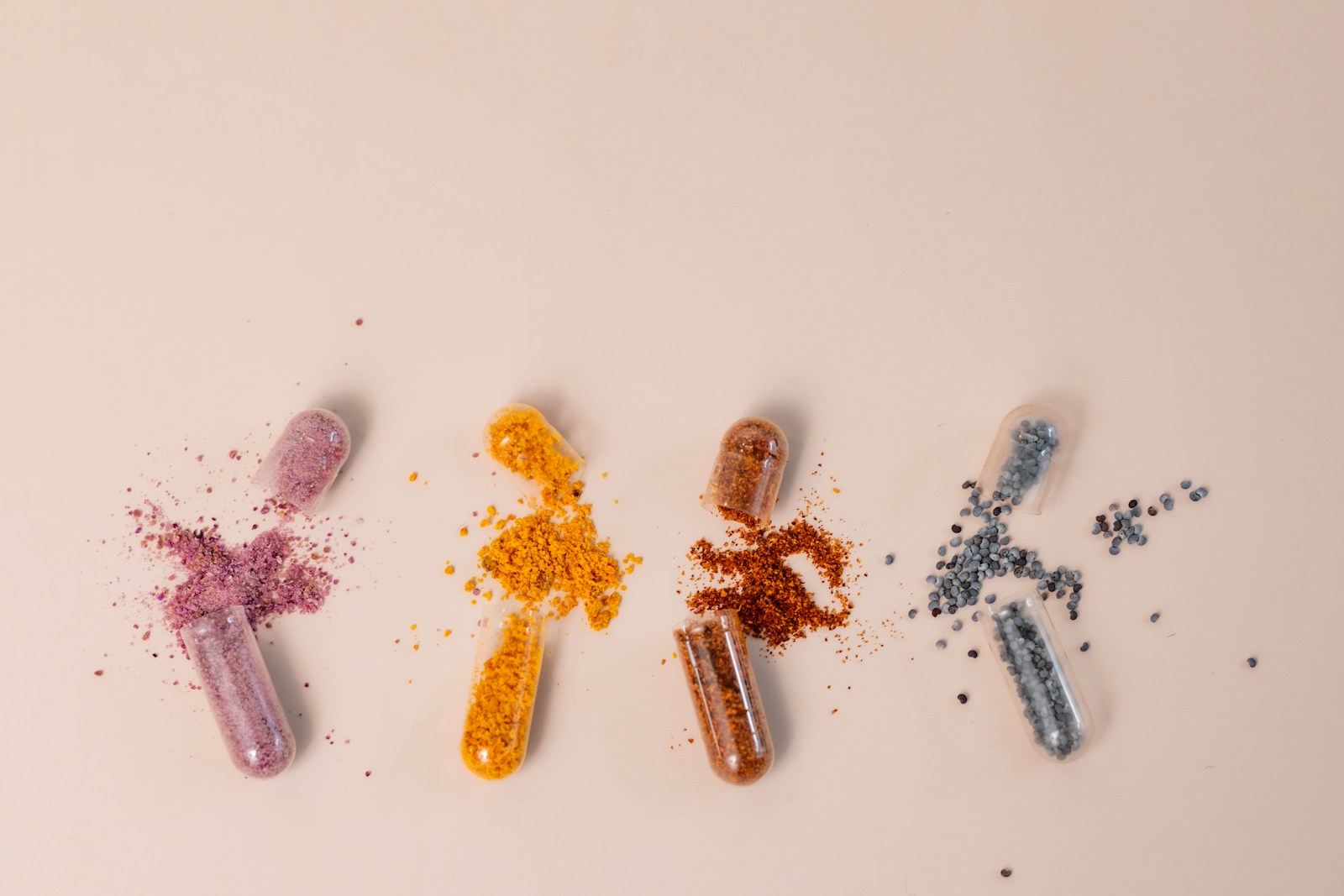
Top Five Supplements for Optimal Health: A Physician’s Evidence-Based Guide
As a doctor, I get asked all the time, “What supplements should I be taking?” It’s a question I love because it shows people are thinking about their health proactively. But the answer isn’t simple; our diets, lifestyles, and even genetics can leave gaps that food alone often can’t fill. Supplements, when chosen with care, can help bridge those gaps and keep you feeling your best. The trick is picking high-quality options over the cheap stuff you’d find in a discount bin, which often lacks the potency or bioavailability to make a real difference. In this article, I’m diving deep into my five favorite supplements: multivitamin with D3, K2, and methylated B-vitamins, omega-3 fatty acids, probiotics, magnesium glycinate, and fiber (psyllium or a blend), with honorable mentions for ubiquinol and creatine. I’ll weave in the latest research, tackle nutrient deficiencies, and explain why quality matters. My physician-formulated Thrivetality line will get a shout-out, alongside some budget-friendly picks from Nutricost for those watching their wallets.
Why Supplements? The Reality of Nutrient Gaps
Let’s start with why supplements are even necessary. Nutrient deficiencies and insufficiencies are surprisingly common. Take vitamin D: up to 70% of Americans have levels below 40 ng/mL, which can impact bones, immune function, and even mood. Who knew the “sunshine vitamin” could be such a mood booster? But wait, there’s more: low levels are linked to muscle weakness, increased risk of respiratory infections, autoimmune issues, and even slower biological aging. Yep, vitamin D helps maintain those protective telomeres at the ends of your chromosomes, potentially keeping you feeling younger longer. Then there’s the MTHFR gene mutation, carried by about 51% of people, which makes it harder to process folate and other B vitamins. This can lead to fatigue, mood swings, and higher homocysteine levels, a sneaky risk factor for heart disease. Our modern diets (think processed foods and soil-depleted produce), plus stress and environmental factors, widen these gaps. High-quality supplements, with bioavailable forms of nutrients, can deliver what I like to call “expensive blood”: nutrient-rich plasma that actually supports your body, not just pricey urine.
1. Multivitamin with D3, K2, and Methylated B-Vitamins
A good multivitamin is like the Swiss Army knife of supplements: it covers a lot of ground in one go. But not all multis are worth your money. Many cheap brands use synthetic forms like folic acid, which is a problem for those 51% with MTHFR mutations who can’t convert it into usable folate. Methylated B vitamins, like methylfolate and methylcobalamin, are ready-to-go, ensuring your body can actually use them. Vitamin D3 is another non-negotiable, especially with so many of us falling short. A 2024 meta-analysis found that 2,000 IU/day of D3 may cut cancer mortality by 12% when taken daily, though its impact on overall mortality is less certain. And let’s expand on those benefits: beyond bones and immunity, D3 supports muscle function, reduces the risk of upper respiratory infections, and even shows promise in lowering autoimmune disease incidence by up to 22% in some studies. Pair it with vitamin K2, which acts like a traffic cop, directing calcium to your bones and away from your arteries. A 2020 study in type 2 diabetes patients showed that D3 and K2 together improved bone health markers, supporting both skeletal and cardiovascular health.
Beyond improving micronutrient balance, multivitamins with key nutrients like B vitamins, vitamin D, and antioxidants (such as vitamins C and E) can support cognitive health and even protect your eyes. A 2023 study suggested that B vitamins, particularly folate and B12, may slow cognitive decline in older adults by reducing homocysteine levels, which can damage brain tissue when elevated. Meanwhile, the Age-Related Eye Disease Study (AREDS) found that a multivitamin formula with antioxidants and zinc reduced the risk of advanced age-related macular degeneration by 25% in high-risk individuals. These benefits make a strong case for a well-formulated multi, especially as we age.
Then there’s the myth that multivitamins just flush out as “expensive urine.” Not so fast: a 2017 study showed that multivitamin use significantly improved nutrient adequacy in U.S. adults, reducing deficiencies across the board. Thrivetality ONE Man and Thrivetality ONE Woman are formulated with methylated B vitamins, D3, and K2, tailored to the unique needs of men and women. They’re third-party tested for purity and potency, unlike some bargain brands that cut corners on bioavailability. If you’re looking for a multivitamin that supports your brain, eyes, and overall nutrient balance, these are designed to make your blood nutrient-rich, not just your wallet lighter.
2. Omega-3 Fatty Acids
Omega-3s, specifically EPA and DHA, are essential fats that do wonders for your heart, brain, and inflammation levels. Our diets, heavy on omega-6-rich processed foods, often leave us with a lopsided omega-3-to-6 ratio, fueling chronic inflammation. A 2025 post hoc analysis from the DO-HEALTH trial found that 1 g/day of omega-3s slowed biological aging markers (like DNA methylation clocks) by 2.9–3.8 months over three years. That’s like hitting the pause button on aging! The VITAL trial, with over 25,000 participants, also suggested that 1 g/day of omega-3s may lower the risk of major cardiovascular events, especially for those who don’t eat much fish.
Some folks think omega-3s are only for people with heart disease, but that’s not the full picture. Even if you’re healthy, they can reduce inflammation and boost cognitive function: think of them as lubricant for your body’s machinery. Thrivetality UltraMEG delivers a high-potency, sustainably sourced blend of EPA and DHA, tested for contaminants like heavy metals, which can sneak into cheaper brands. Omega-3s are a must for anyone looking to keep their heart and brain in top shape, especially if fish isn’t a regular part of your diet.
3. Probiotics
Your gut is the unsung hero of your health, hosting 70% of your immune system and influencing everything from your mood to your metabolism. Probiotics (live beneficial bacteria) help keep your gut microbiome in balance, which can get thrown off by stress, junk food, or antibiotics. A 2025 survey linked probiotic use to better mood, energy, and even skin health, showing how far gut health reaches. Research also suggests that probiotics, especially when paired with prebiotics (which fuel those good bacteria), can lower inflammation markers, potentially reducing risks for conditions like colorectal cancer. That said, a 2025 statement from the American Gastroenterological Society noted mixed evidence for probiotics in specific digestive disorders, so strain specificity and quality are critical.
Think of probiotics as gardeners tending to your gut’s ecosystem. Thrivetality Biome combines clinically studied probiotic strains with prebiotics for maximum impact, ensuring you’re not just swallowing dead bacteria. Cheap probiotics often lack the right strains or enough colony-forming units (CFUs) to make a difference. And no, they’re not just for tummy troubles: probiotics can support immunity, mental health, and even fertility by calming gut-driven inflammation.
4. Magnesium Glycinate
Magnesium is a workhorse mineral, playing a role in over 300 enzymatic reactions, from energy production to muscle function to mood regulation. I’m a fan of magnesium glycinate because it’s highly bioavailable and doesn’t send you running to the bathroom like magnesium oxide can. A 2025 review highlighted magnesium’s potential to prevent and treat migraines, which is a game-changer for millions. It’s also a cofactor for the COMT enzyme, which helps produce neurotransmitters, making it especially important for mood and cognition, particularly in those with MTHFR mutations.
Magnesium insufficiency is widespread, especially if you’re stressed or eating a less-than-stellar diet. Some folks think magnesium is just for constipation (thanks to milk of magnesia’s reputation), but its benefits go way beyond the gut, supporting neurological and heart health. For a budget-friendly pick, Nutricost Magnesium Glycinate is a solid choice: affordable, gentle on the stomach, and effective. It’s proof you don’t always need to spend big to get quality.
5. Fiber (Psyllium or Blend)
Fiber might not be the sexiest supplement, but it’s a heavy hitter. Most Americans get nowhere near the recommended 25–38 grams daily, and that’s a problem. Psyllium, a soluble fiber, acts as a prebiotic, feeding your gut’s good bacteria, promoting regular bowel movements, and potentially lowering inflammation. A 2025 article pointed to psyllium’s role in improving gut health and reducing colorectal cancer risk. Fiber blends, mixing soluble and insoluble fibers, can also help manage cholesterol and blood sugar. A 2017 study found that psyllium improved glycemic control in people with type 2 diabetes, which is huge for metabolic health.
But let’s not stop there: fiber shines in cardiovascular health too. Soluble fiber like psyllium can lower LDL cholesterol levels, reducing the risk of coronary artery disease, hypertension, and overall CVD mortality. Studies show that higher fiber intake is linked to better blood pressure, reduced inflammation, and a lower burden of heart disease worldwide. And for weight management? Fiber promotes that satisfying feeling of fullness, helping you eat less without feeling deprived, which can lead to weight loss and better insulin sensitivity. Recent research even ties it to reduced visceral fat and improved gut microbiota, making it a sneaky ally in keeping those pounds off.
Some think fiber supplements are overkill if you eat “healthy,” but even veggie enthusiasts often fall short. Psyllium or a fiber blend can bridge that gap without the bloating you might get from overloading on whole grains. Nutricost Psyllium Fiber is a great, affordable option that mixes easily into smoothies or water, making it easy to sneak into your routine. It’s a simple way to keep your gut happy and your health on track.
Honorable Mentions: Ubiquinol and Creatine
Picking a fifth supplement was tough; there’s so much out there vying for a spot! So, I’m giving a quick nod to two honorable mentions: ubiquinol and creatine. Ubiquinol, the active form of CoQ10, supports mitochondrial energy production and heart health. A 2023 study suggested it could improve energy metabolism in older adults, making it a great pick for those over 50. Creatine, often seen as a gym rat’s go-to, also boosts brain health and muscle recovery. A 2024 meta-analysis found that creatine improved cognitive performance in older adults, and it’s dirt-cheap and widely available. Both didn’t quite make the Top 5, but they’re worth considering for specific goals.
The Quality Conundrum: Why It Matters
Here’s where I get a bit stern: not all supplements are created equal. Cheap store brands often use low-quality nutrient forms (like folic acid instead of methylfolate or magnesium oxide instead of magnesium glycinate) that your body can’t absorb well. They might also skip third-party testing, risking contamination with heavy metals or allergens. A 2025 article underscored the importance of high-quality supplements that are rigorously tested for purity and potency, ensuring you get what you pay for.
Thrivetality ONE Man, ONE Woman, UltraMEG, and Biome are physician-formulated with bioavailable nutrients, designed to work seamlessly with your body. They’re an investment, no doubt, but they deliver where it counts. Nutricost’s magnesium glycinate and psyllium fiber are reliable, affordable options that pack a punch. Quality doesn’t always mean breaking the bank, but it does mean being picky about what you put in your body.
Wrapping It Up: Your Health, Your Call
Supplements aren’t a cure-all, but they’re powerful allies when used smartly. My top five (multivitamin with D3, K2, and methylated B-vitamins, omega-3s, probiotics, magnesium glycinate, and fiber) tackle common nutrient gaps with solid science to back them up. Ubiquinol and creatine are fantastic extras for those looking to level up. Being picky and making good decisions ensure that you’re investing in your health, not just flushing money down the drain. Always check with your doctor before starting new supplements, especially if you’re on meds or have conditions like MTHFR mutations. Here’s to thriving, not just getting by; because your body deserves to laugh off the “expensive urine” myth and revel in nutrient-rich glory.
References
- Office of Dietary Supplements. Vitamin D – Health Professional Fact Sheet. National Institutes of Health. Available at: https://ods.od.nih.gov/factsheets/VitaminD-HealthProfessional/. Accessed August 30, 2025.
- Hahn J, et al. Vitamin D and marine omega-3 fatty acid supplementation and incident autoimmune disease: VITAL randomized controlled trial. BMJ. 2022;376:e066452. doi:10.1136/bmj-2021-066452.
- Barber KE, et al. Dietary fiber influence on overall health, with an emphasis on CVD and related risk factors. BMC Nutr. 2024;10(1):168. doi:10.1186/s40795-024-00844-9.
- Xie F, et al. The global burden of cardiovascular disease attributable to diet low in fiber: a systematic analysis based on the global burden of disease study 2019. BMC Public Health. 2024;24:2610. doi:10.1186/s12889-024-19897-6.
- Turner KM, et al. Increased dietary fiber is associated with weight loss among Full Plate Living intervention participants during COVID-19 pandemic. Front Nutr. 2023;10:1110745. doi:10.3389/fnut.2023.1110745.