From the providers at Altitude Family & Internal Medicine
A fast-moving cyclospora outbreak is one of several foodborne illness events making headlines this summer. If you’ve noticed more headlines than usual about contaminated lettuce, recalled eggs, or tainted cheese this summer, you’re not imagining it. The CDC is currently tracking several active multistate foodborne illness outbreaks at once, and case counts for one of them, cyclosporiasis, are running well above normal for this time of year. Here’s what’s actually happening, what foods are involved, and what to do if you or a family member gets sick.
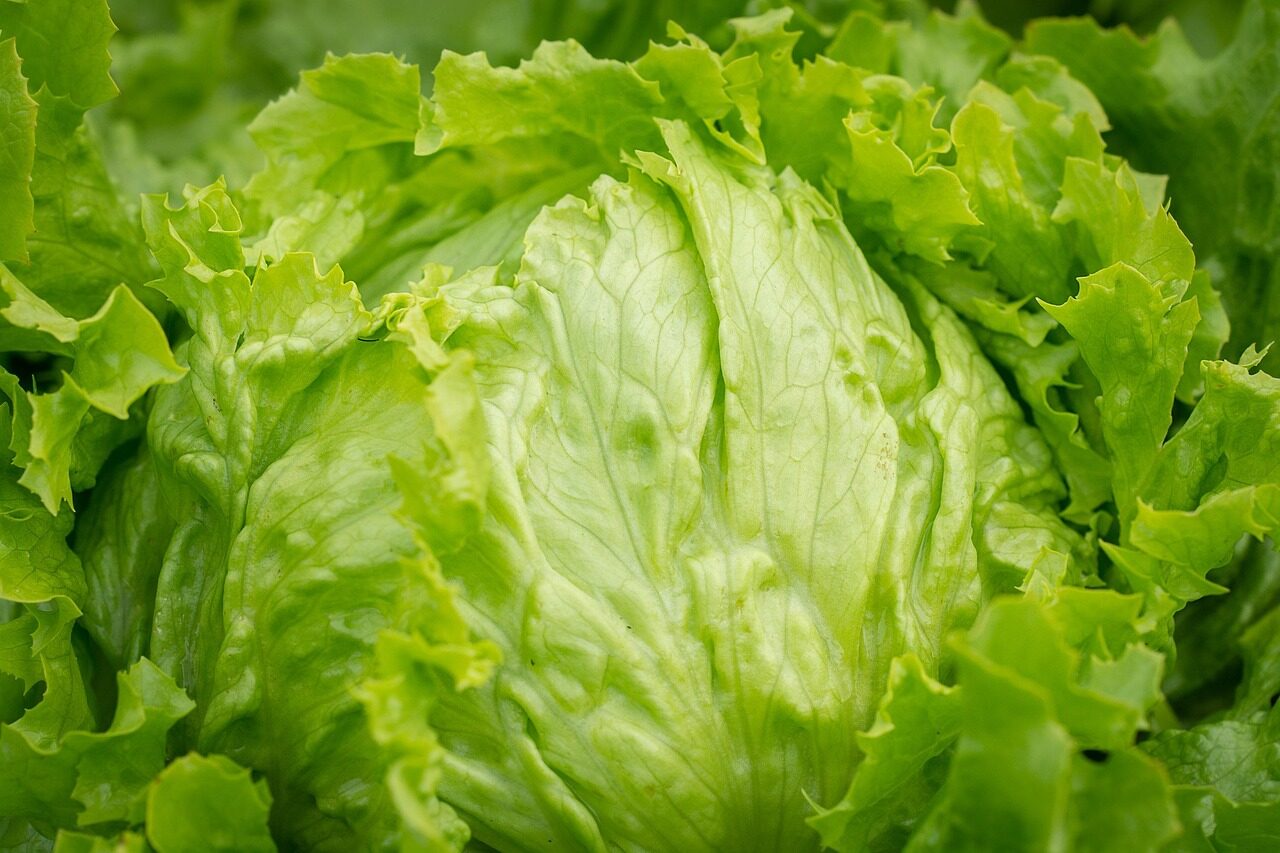
The Big One: The Cyclospora Outbreak Linked to Iceberg Lettuce
Cyclosporiasis is a gastrointestinal illness caused by a microscopic parasite called Cyclospora cayetanensis. It spreads when people eat food or drink water contaminated with the parasite, most often fresh produce. It does not spread directly from person to person.
This summer’s cyclospora outbreak is the largest cyclosporiasis outbreak on record in the United States. As of the most recent CDC update, more than 4,000 cyclosporiasis cases acquired in the U.S. have been reported since May 1, 2026, and a specific multistate outbreak tied to iceberg lettuce has grown to nearly 2,000 confirmed cases across at least nine states, with close to 100 hospitalizations. The states currently involved include Illinois, Indiana, Kansas, Kentucky, Michigan, Ohio, Oklahoma, Pennsylvania, and West Virginia, though officials note the true number of illnesses is almost certainly higher, since many people recover without ever being tested.
The suspected source is shredded iceberg lettuce supplied by Taylor Farms de Mexico and used by Taco Bell locations, with the same lettuce also distributed to other restaurants and sold at retail under the Marketside brand at Walmart. Taylor Farms recalled all iceberg lettuce sourced from central Mexico in mid-July, and Taco Bell has stopped using that supplier. If you have Marketside-brand iceberg salad products at home, check the packaging against the recall notice and discard or return them.
Worth noting: this part of the investigation has gotten genuinely confusing, even for people following it closely. A lettuce sample tested positive for cyclospora at the border in mid-July, which is what prompted the recall and the specific warning about Taco Bell locations in Indiana, Kentucky, Michigan, Ohio, and West Virginia. On re-review, the FDA determined that particular sample was a false positive, and as of July 19 the agency had no confirmed positive product test for cyclospora tied to this outbreak. The FDA has been explicit, though, that the false lab result does not change its investigation or the recall recommendation, because the link to Taylor Farms lettuce is still supported by epidemiologic data: interviews with sick people across multiple states, many of whom ate at the same Taco Bell locations before falling ill. In short, the one lab sample didn’t hold up, but the pattern of who got sick and what they ate still points the same direction, and case counts have continued climbing since. We’ll update this article if the source identification changes further.
Colorado has not been named among the affected states as of this writing, but cyclosporiasis season runs May through August nationally, and outbreaks can expand as investigators identify new clusters. Previous cyclospora outbreaks in other years have also been linked to bagged salad mixes, fresh basil, cilantro, raspberries, snow peas, and green onions, so this is not purely a lettuce issue going forward.
Symptoms of Cyclosporiasis
Symptoms typically start about a week after exposure (range: 2 to 14 days) and include:
- Watery, often explosive diarrhea
- Loss of appetite and weight loss
- Stomach cramps and bloating
- Nausea, fatigue, and low-grade fever
Without treatment, symptoms can last for weeks or even months, and may go away and come back (relapse) if untreated. This is not a “wait it out” illness the way many viral stomach bugs are.
What to Do
Cyclosporiasis is diagnosed with a stool test, and it’s important to get tested rather than assume it’s a routine stomach virus, because it’s treated with a specific antibiotic combination (trimethoprim/sulfamethoxazole). Many other causes of diarrhea won’t respond to that medication, so an accurate diagnosis matters.
Call our office if you develop diarrhea lasting more than a few days, especially if you recently ate salad, lettuce, or fresh herbs from a restaurant or grocery store. If you’re immunocompromised, have underlying health conditions, or are pregnant, don’t wait, call us sooner rather than later. Seek urgent or emergency care if you become dizzy or lightheaded when standing, notice your heart racing, or can’t keep fluids down, as these can be signs of significant dehydration.
Other Active Outbreaks Worth Knowing About
Cyclospora isn’t the only foodborne illness circulating right now. The CDC is simultaneously investigating outbreaks of Salmonella and Listeria, two of the most common and, in Listeria’s case, most dangerous foodborne pathogens.
Salmonella and shell eggs. A multistate Salmonella Enteritidis outbreak has been linked to shell eggs produced by Midwest Poultry Services. The company recalled more than 1.5 million dozen eggs in late July after cases were traced back to the farm. If you have shell eggs at home and are unsure of the source, check the carton for recall information, and when in doubt, throw them out or return them for a refund. Salmonella typically causes diarrhea, fever, and abdominal cramps starting 6 hours to 6 days after exposure, and usually resolves on its own in healthy adults within about a week, though it can be more serious in young children, older adults, pregnant women, and people with weakened immune systems.
Listeria and soft cheese. A separate outbreak has been linked to requesón (a soft, ricotta-style cheese) supplied by Clover Hill Dairy, which has expanded its recall to include all of its cheese products. Listeria is less common than Salmonella but far more dangerous. It can take up to 70 days after exposure for symptoms to appear, which makes outbreaks harder to trace, and it disproportionately affects pregnant women (where it can cause miscarriage or stillbirth), newborns, adults over 65, and anyone immunocompromised. If you’re pregnant or in a higher-risk group, it’s worth being extra cautious with soft cheeses, deli meats, and unpasteurized dairy in general, not just the specific recalled products, since these categories carry an elevated Listeria risk year-round.
Earlier this year, a particularly severe Listeria outbreak tied to prepared pasta meals (chicken fettuccine alfredo sold at Walmart and Kroger) caused 28 illnesses, 27 hospitalizations, and 7 deaths before it was declared over. It’s a stark reminder that Listeria, unlike most foodborne illness, can be genuinely life-threatening.
Why This Summer Feels Different
A few things are converging to make 2026 a notably active year for foodborne illness:
- Cyclospora season overlaps with a large-scale contamination event. Case counts are substantially higher than the same period last year, and the CDC has moved to weekly public surveillance updates because of it.
- Multiple outbreaks are running concurrently. It’s unusual to have a major produce-linked parasitic outbreak, an egg-linked Salmonella outbreak, and a cheese-linked Listeria outbreak all under active investigation at the same time.
- Supply chains mean local exposure to distant contamination. Produce and dairy products travel widely before reaching your grocery store or a restaurant near you, so an outbreak “somewhere else” can still reach a local kitchen.
None of this means the food supply is broadly unsafe, the vast majority of what you eat every day is fine. It does mean this is a good season to be a little more deliberate about food safety basics.
Practical Prevention Steps
- Wash produce thoroughly, including bagged and pre-washed salads, under running water before eating, even if the package says “ready to eat.” Washing reduces but does not eliminate Cyclospora, since the parasite is resistant to most surface disinfection.
- Cook produce when possible. Cooking kills Cyclospora, so when you have a choice, cooked greens carry less risk during an active outbreak than raw ones.
- Check recalls before you eat. A quick search of “FDA recall” plus the product name takes thirty seconds and can save you a week of illness. This is especially worth doing right now for iceberg lettuce, shell eggs, and soft cheeses.
- Watch expiration and lot codes, not just brand names, recalls are often specific to certain lot numbers or date ranges.
- Keep raw and ready-to-eat foods separate, use separate cutting boards for produce and raw meat, and refrigerate perishables promptly.
- If you’re pregnant, over 65, immunocompromised, or caring for a young child, take extra care with soft cheeses, deli meats, unpasteurized dairy, and raw sprouts, this group is disproportionately represented in severe outcomes across all three of the outbreaks described above.
When to Call Us
Most foodborne illness resolves on its own with rest and fluids. But please reach out to our office if you experience:
- Diarrhea that lasts more than 2 to 3 days
- Bloody stools
- High fever (over 102°F)
- Signs of dehydration, including reduced urination, dizziness, or a racing heart
- Diarrhea after eating salad, lettuce, eggs, or soft cheese during this outbreak window
- Any GI symptoms if you’re pregnant, over 65, or immunocompromised
We can help determine whether testing is warranted, which is particularly important with cyclosporiasis, since it requires a specific antibiotic that other stomach bugs won’t need. Don’t assume a bad stomach bug this summer is “just a virus,” given how active these outbreaks currently are.
Bottom Line
This is one of the more active summers for foodborne illness in recent memory, with a record cyclospora outbreak linked to iceberg lettuce, an ongoing Salmonella outbreak tied to shell eggs, and a Listeria outbreak involving soft cheese all under investigation simultaneously. The practical response is straightforward: check recalls, wash and cook produce carefully, take extra precautions if you’re in a higher-risk group, and don’t hesitate to call us if GI symptoms stick around longer than a couple of days. We’re keeping an eye on the situation and will update patients if it develops further.
This article reflects outbreak information available as of late July 2026. For the most current updates, visit the CDC’s Cyclosporiasis Outbreak page or Foodborne Outbreaks page.